Dental offices are busier and noisier than most people realize. Between drills, suction, and ultrasonic scalers, sound levels can reach harmful levels over time. Recent research looked at how much noise dentists are exposed to and whether it affects their hearing.
At Timpanogos Hearing & Tinnitus, we’ve helped thousands of people-- including a few dentists-- in Utah County, from American Fork to Spanish Fork, who didn’t realize their work environment might be part of the problem.
Table of Contents
- How Loud Is a Dental Office?
- A Local Story: Dr. Larsen’s Experience
- What the Study Found
- How Noise Affects Hearing Over Time
- Why Dentists Rarely Use Hearing Protection
- What Patients and Professionals Can Do
- FAQ
How Loud Is a Dental Office?
The study measured sound levels in multiple dental clinics. The loudest rooms were in prosthodontics (about 88–94 dB). Periodontics was quieter, but still above safe limits (around 78–81 dB).
For reference, NIOSH recommends keeping daily noise exposure below 85 dB over an 8-hour shift. A dental drill or suction device can push exposure well past that mark.
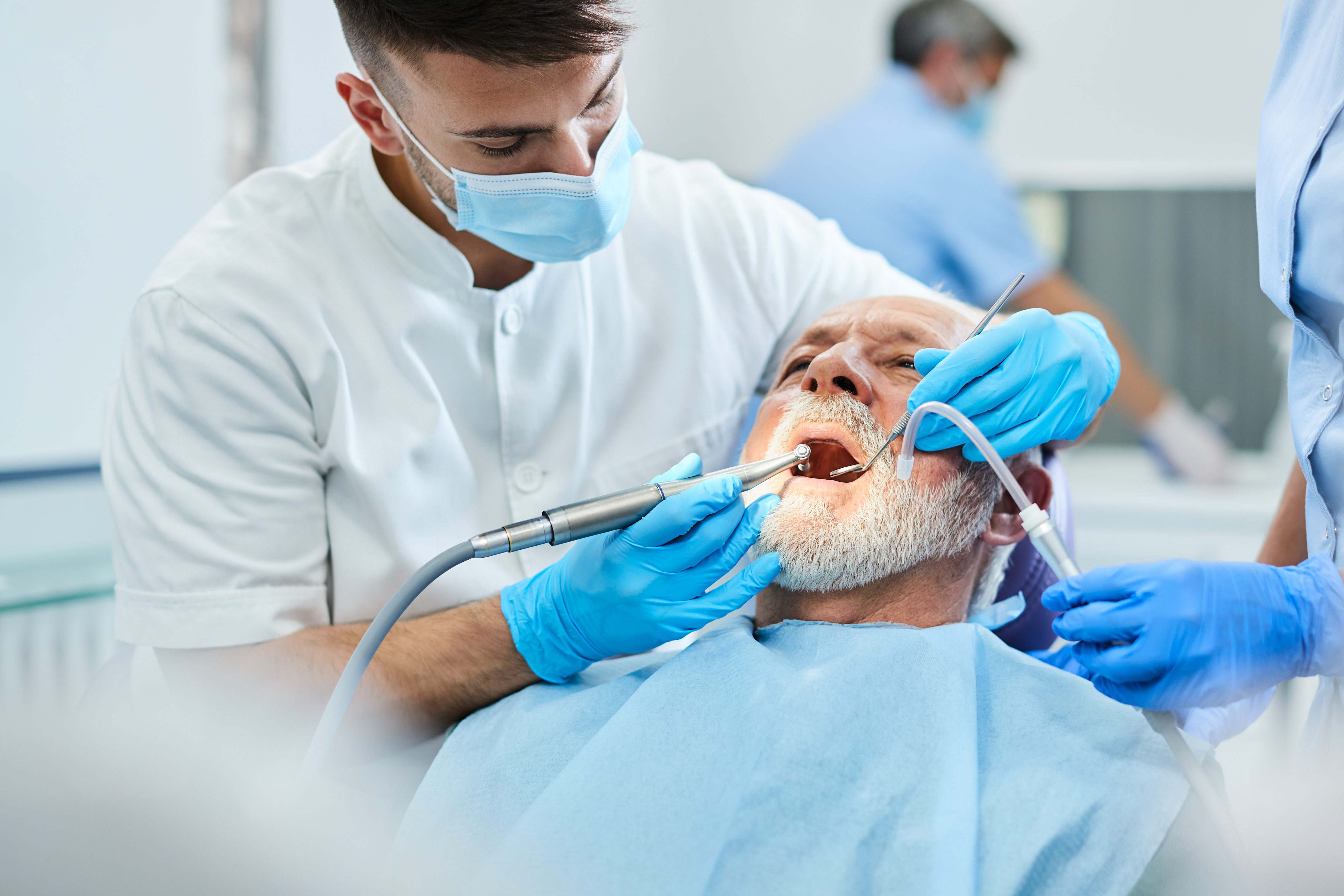
A Local Story: Dr. Larsen’s Experience
Not long ago, Dr. Larsen, a local dentist, came into our office because he noticed a high-pitched buzzing in his ears. The sound didn’t stop even when he turned off his dental drill.
It turned out to be tinnitus—a ringing caused by damage to the auditory system. The pitch of the buzzing matched the same frequency range produced by his drill, which he had been using for hours a day, year after year.
Dr. Larsen admitted he never thought about hearing protection. Gloves, masks, and goggles were second nature, but protecting his ears never crossed his mind. He was shocked to learn that his own workplace had likely been damaging his hearing all along.
His story is not unique—and it’s a reminder that hearing loss often sneaks up on people who never expect it.
What the Study Found
- Dentists working more than 7 hours a day reported hearing problems most often.
- Those with 5–10 years of practice were more likely to experience tinnitus or ear fullness.
- Nearly 40% of dentists said their clinic felt noisy or irritating.
Noise in dental offices doesn’t just cause temporary ringing. Over years, it can contribute to permanent noise-induced hearing loss.
How Noise Affects Hearing Over Time
Noise-induced hearing loss (NIHL) happens slowly. At first, only higher frequencies are affected, which makes speech in background noise harder to follow. With continued exposure, the loss can spread to lower frequencies.
Besides hearing loss, constant exposure to high noise may also raise stress levels, cause headaches, and even affect blood pressure.
Why Dentists Rarely Use Hearing Protection
Dentists typically wear gloves, masks, and goggles. But hearing protection is almost never used. Many don’t realize how damaging dental noise can be, or they feel earplugs would get in the way of communication with patients.
What Patients and Professionals Can Do
- Dental professionals: Consider custom musician’s earplugs that filter noise but still allow speech clarity.
- Patients: If you notice ringing or muffled hearing after dental visits, it may be a sign of overexposure.
- Everyone: Try our free Hearing in Noise Screener to see how well you hear when background noise is present. It’s a quick way to check if you might benefit from a full evaluation.
You can also explore more in our Learning Center or download one of our guides on hearing health.
If you’re concerned about ringing, buzzing, or hearing changes, we can help you explore tinnitus treatment options.
👉 Or request a free consultation today.
FAQ
Do dentists really lose hearing from their work?
Yes. Research shows long-term exposure to dental equipment noise can lead to noise-induced hearing loss. NIOSH recommends limiting exposure to 85 dB or less over an 8-hour workday.
Is dental noise dangerous for patients?
Patients are exposed for short periods, so risk is lower. The main concern is for staff working all day.
Can hearing loss from dental noise be reversed?
No. Once permanent, it can’t be reversed. But treatment options and protection can slow progression.
What type of hearing protection works best for dentists?
Custom earplugs or filtered plugs reduce harmful noise while still allowing conversation.
How do I know if I should get my hearing checked?
If you notice ringing, muffled sounds, or difficulty following conversations, schedule a hearing test.
